First Time House Cleaning Service: What to Expect in St. Louis
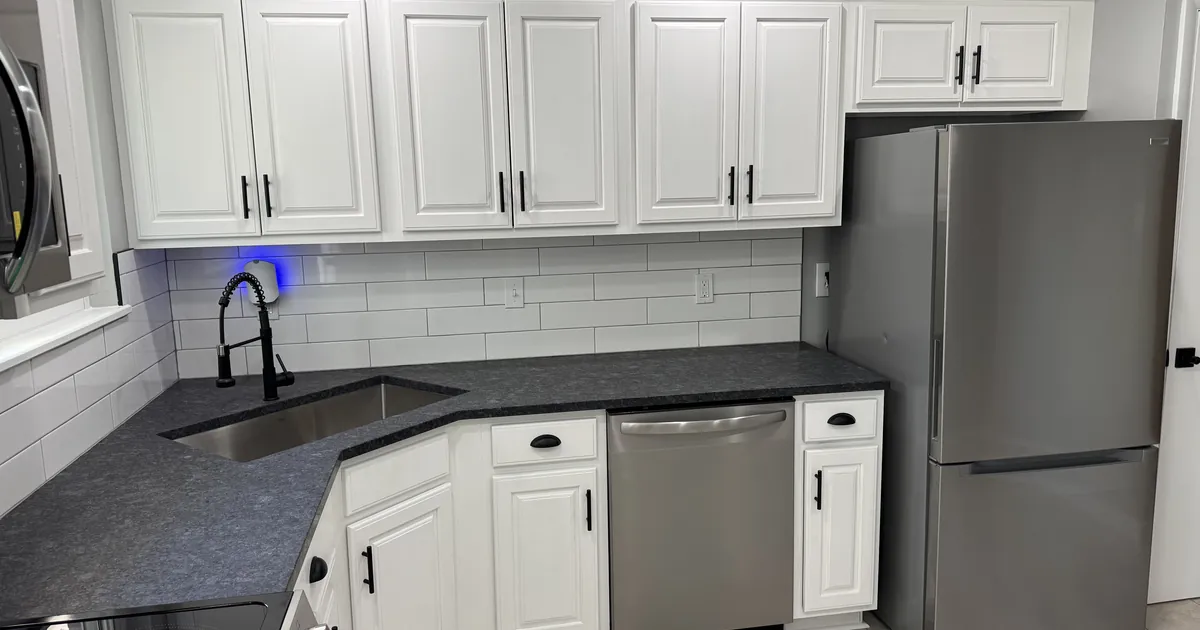
For a first professional house cleaning in St. Louis, book a deep clean — not a standard — to establish a true baseline. Tidy loose clutter beforehand, secure pets, and expect a three-to-five-hour service for a three-bedroom home. Recurring visits every two to four weeks maintain that baseline going forward.
| First clean type | Deep clean recommended (baseline reset) |
| Service time (3bd/2ba) | 3–5 hours depending on current condition |
| What sets CTC apart | $100/room steam upgrade available · $2M insured · background-checked specialists |
Jason Ellis
Operations Director, Clean Town & Country · St. Louis, MO
Why a First Professional Clean Is Different From Every Clean After It
I have walked through thousands of homes across Webster Groves, Clayton, and Chesterfield before a first-ever professional clean. The pattern is consistent: a home that has been kept up by the owner — vacuumed weekly, bathrooms wiped down — looks presentable on the surface and carries months of accumulated build-up in the places a routine does not reach. Grout lines, baseboards, the underside of toilet rims, the seal around a kitchen faucet, refrigerator door gaskets, the tops of door frames. These are not failure surfaces. They are the surfaces that residential cleaning routines structurally miss.
The first professional clean exists to reach those surfaces. It is a reset — not a maintenance visit. That is why the first clean almost always takes longer than later visits and why the scope matters more than the price per hour. A surface-level first clean that does not clear the accumulated baseline means every recurring visit after it is maintaining a substandard state rather than a genuinely clean one.
This is the conversation I have with most new clients. The first clean is an investment in what comes after it. When that baseline is set correctly — cleaned to a clinical standard — recurring maintenance visits are genuinely easier and faster, because the team is sustaining a clean state rather than recovering from degradation.
Standard Clean vs. Deep Clean: What Each Covers
The distinction matters most on the first visit. A standard clean covers the surfaces that a maintaining routine addresses: floors, bathroom fixtures, kitchen counters, accessible furniture surfaces, and interior glass. A deep clean adds the less-frequent surfaces: baseboards, window sills and tracks, ceiling fans, grout lines, behind appliances, and all areas under and behind furniture. Interior oven and refrigerator cleaning is a $45 add-on on top of Deep (included standard on a Move-Out Clean).
Standard Clean
- Vacuuming and mopping all floors
- Bathroom fixtures: toilet, sink, tub/shower
- Kitchen counters, stovetop, exterior of appliances
- Accessible furniture surfaces
- Interior windows and mirrors
- Trash removal
Deep Clean (recommended for first visit)
- Everything in Standard, plus:
- Baseboards, window sills, door frames
- Ceiling fans and light fixtures
- Grout lines
- Behind and under appliances
- Inside oven, fridge, cabinet interiors — $45 add-on each
How to Prepare for Your First Professional Clean
Preparation is minimal — the point of hiring professionals is to avoid cleaning. There are a few steps that make the service more effective.
Tidy loose clutter from counters and floors
Clearing loose items from surfaces lets the team access and clean the surface itself rather than cleaning around objects. Piles of mail, countertop appliances, and items on the floor all reduce the area the team can reach. You do not need to deep-organize — move what is in the way.
Secure pets in a separate room or arrange alternate care
Our cleaners work with professional-grade equipment including vacuum systems that are louder than residential units. Pets — especially dogs — are often stressed by the noise and the presence of unfamiliar people. A secured pet is safer and allows the team to move through the home without interruption.
Identify and communicate any priority areas or sensitivities
If you have a surface finish that requires specific care — marble countertops, unsealed grout, natural hardwood floors — note it at booking. The same applies to fragile items, artwork, or any area you want excluded. Our team adjusts protocol by surface type, but we need to know what we are working with.
Arrange access if you will not be home
You do not need to be present. Most clients in Kirkwood and Town and Country MO provide a door code or lockbox key. Be reachable by phone for the first visit in case of access questions. After the first service, most clients set a recurring arrangement with keyless entry.
What a First Professional Deep Clean Covers, Room by Room
Kitchen
- Stovetop surface and burner grates — baked-on residue lifted with our standard products; a $100/room steam upgrade is available for deeper treatment
- Refrigerator and oven exteriors (interiors are a $45 add-on each, included standard on a Move-Out Clean)
- Counters, backsplash, and sink — limescale and grout line treatment
- Cabinet exteriors and hardware (interiors excluded in occupied homes — Cabinet Barrier Policy)
- Under and behind the refrigerator and stove if accessible
Bathrooms
- Toilet: rim, base, and the floor around the base — the diagnostic zone for a genuine vs. surface clean
- Shower and tub: grout lines, fixtures, and glass door seals — steam treatment available as a $100/room add-on
- Sink and faucet hardware: limescale and fixture base
- Mirrors and glass surfaces
- Baseboards and floor perimeter
- Exhaust fan grille if accessible
Bedrooms and Living Areas
- Ceiling fans: pillowcase method + microfiber wipe on all blades
- HEPA vacuum of all carpet and upholstered furniture surfaces
- Hard floor: vacuum then wet mop with appropriate floor solution
- All accessible horizontal surfaces: nightstands, dressers, windowsills
- Door frames and light switch plates
- Baseboards throughout
How to Evaluate Quality After the First Clean
The diagnostic surfaces for a genuine deep clean versus a surface pass are specific. I tell clients to check these after every first visit — not because we expect issues, but because knowing what to look for is how you hold any cleaning service accountable.
- Baseboards: run a finger along the top edge. Visible dust means the baseboard was wiped at surface level, not cleaned.
- Toilet base: check the floor seal and the underside of the rim. Any residue ring means the fixture was cleaned above the water line only.
- Shower grout: should be visibly lightened if it was stained before. Steam protocol removes the organic layer — a bleached look means chemical exposure, not clean. Look for consistent grout color, not whitening.
- Refrigerator door gasket: fold it open and check the fold. Residue here means the gasket was wiped over, not inside.
- Ceiling fan blades (top surface): should be residue-free. Visible dust line on the leading edge means pillowcase method was skipped.
From First Clean to Recurring Service: How It Works
The most common question after a first clean is whether to book recurring service — and if so, how often. The answer depends on household size, occupancy pattern, and whether you have pets or children. In my experience serving families across Ladue, Frontenac, and University City, the two-to-four-week window covers most households.
Two weeks is appropriate for households with pets, young children, or high foot traffic — surfaces degrade faster and the team is catching accumulation before it bonds. Four weeks works for lower- traffic households, empty nesters, or homes where one or both residents travel regularly and the space is genuinely lightly used.
The economic case for recurring service is not marketing. A recurring visit on a maintained baseline takes less time than a visit on a degraded one — which means the cost per hour of cleaning labor, spread across the year, is lower for consistent recurring visits than for infrequent deep cleans required to restore the state. The deep clean you book once every six months costs significantly more per visit than a biweekly maintenance schedule over the same period — and the result you live with daily is worse.
We also offer specific first-time scenarios: move-in cleaning for new St. Louis homeowners (the previous occupant's accumulated layers, cleared before you bring your belongings in) and move-out cleaning for renters or sellers who need to meet a standard before handover.
Related Guides
About the Author
Jason Ellis is Operations Director at Clean Town & Country, a family-owned residential cleaning company serving St. Louis, MO. He has overseen first-clean assessments in hundreds of homes across Chesterfield, Clayton, Webster Groves, Kirkwood, and the surrounding area. His team holds $2M in professional liability coverage and works exclusively with background-checked Certified Cleaning Specialists, with a 275°F steam cleaning upgrade available on request.
Clean Town & Country
Rather Not Spend Your Weekend On This?
We handle standard, deep, and move-out cleaning across the St. Louis metro. Tell us about your home and we will send you a free quote — no obligation.
Insured & bonded • HEPA filtration • Satisfaction guaranteed
Frequently Asked Questions
Common questions from St. Louis homeowners booking their first professional house cleaning.
What should I do before my first professional house cleaning?
Tidy loose clutter from counters and floors so the team can access surfaces. Secure or relocate fragile items, valuables, and pets. You do not need to pre-clean — that defeats the purpose. The cleaner's job is to handle the grime your regular routine cannot reach.
How long does a first professional house cleaning take?
A first clean typically takes longer than subsequent recurring visits because it is starting from a non-maintained baseline. A three-bedroom, two-bathroom home in St. Louis usually takes three to five hours for a thorough first clean. Recurring visits — once the baseline is set — run shorter because the team is maintaining, not restoring.
Do I need to be home during the cleaning?
You do not need to be present. Most of our St. Louis clients — particularly in Clayton and Chesterfield — provide a key or door code. We recommend being available by phone for the first visit so any access or preference questions can be resolved quickly. After the first clean, most clients prefer keyless entry and are rarely home during service.
What is the difference between a standard and deep clean for a first visit?
A standard clean covers the regular maintenance surfaces: floors, bathrooms, kitchen counters, and accessible furniture. A deep clean adds the less-frequent surfaces: baseboards, window sills, vent covers, door frames, grout lines, and reachable ceiling fans. For a first-ever professional clean, most St. Louis homes benefit from a deep clean — the standard scope misses the accumulated layers that a maintained home would not have.
How do I know if the cleaning was done to a professional standard?
Run a finger across a baseboard, the top of the refrigerator, and a door frame. Check grout lines in the shower and under the toilet rim. In a bathroom that was deep-cleaned, grout should be visibly lighter and the base of the toilet fixture should show no residue ring. These are the diagnostic surfaces that separate a professional clean from a surface wipe.
Is a recurring cleaning service worth it after the first visit?
For most households, yes — with a specific caveat. A recurring clean is only worth the investment if the first clean established a true baseline. If the first clean was surface-level, recurring visits maintain a mediocre state rather than a genuinely clean one. Book a deep clean for the first visit; recurring visits every two to four weeks keep that baseline without requiring the same intensity each time.
Ready to Book Your First Professional Clean in St. Louis?
We serve Clayton, Kirkwood, Webster Groves, Chesterfield, and the surrounding St. Louis area. Background-checked Certified Cleaning Specialists, $2M insured, satisfaction guaranteed.