How to Clean Window Blinds — St. Louis Home Guide
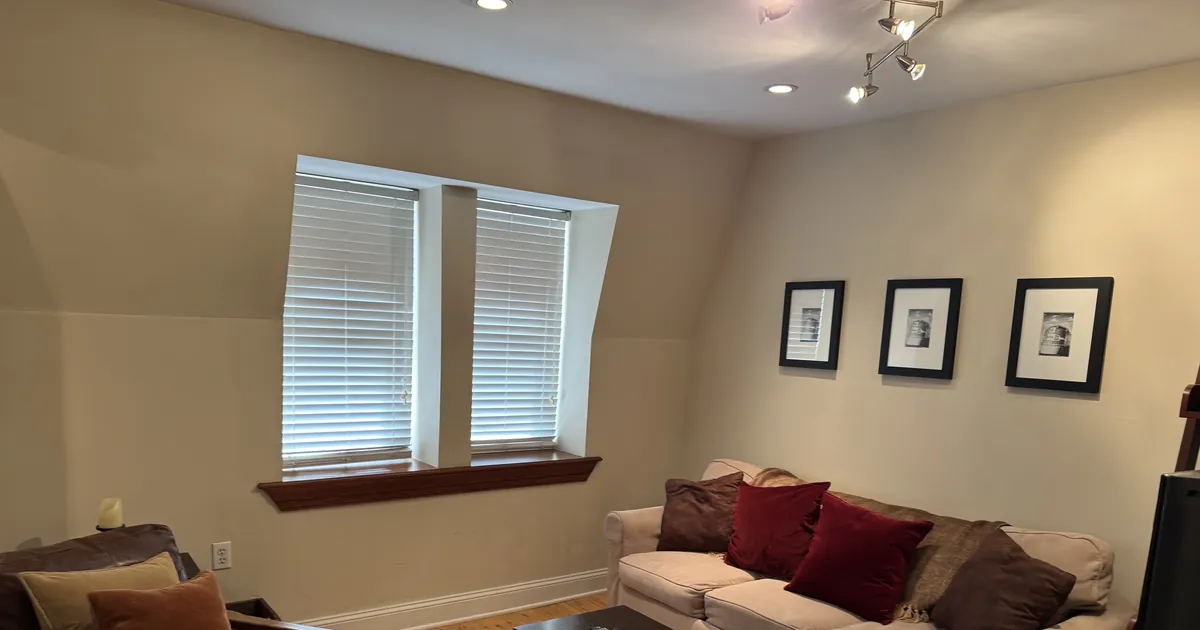
Dry-dust each slat with a microfiber glove or flat-slat brush, then wipe damp with a mild dish soap solution, rinse, and dry immediately. The full process takes 10–15 minutes per window.
| Metric | Detail |
|---|---|
| Time Required | 10–15 minutes per window |
| Tools Needed | Microfiber glove, flat-slat brush, mild dish soap, two cloths |
| Frequency | Light dust every 2–4 weeks; full damp wipe every 2–3 months |
Why St. Louis Blinds Get Dirty Faster
Window blinds in St. Louis face a combination of pressures that most cleaning guides written for general audiences do not account for. Missouri sits in one of the most active pollen corridors in the central United States. The Forest Park area records some of the highest oak and grass pollen counts in the Midwest during the April-through-June window — and that pollen does not stop at the window frame. It travels through every gap around screens and settles on horizontal slat surfaces where it bonds with ambient humidity.
St. Louis summers are consistently humid. Relative humidity above 70% is routine from June through August. That moisture causes fine particulate — dust, pollen, cooking grease from open-plan kitchens — to adhere to blind surfaces rather than falling away. The result is a film that a simple dry dusting pass will not fully remove. For a broader look at how humidity and HVAC cycles affect your home's air quality throughout the year, the St. Louis home air quality cleaning guide covers the seasonal pattern in depth.
Winter adds a second pressure point. Forced-air furnaces running six months of the year push fine indoor particulate through every room continuously. Blinds near floor vents in neighborhoods like Chesterfield, Clayton high-rises, and the Gateway Arch corridor — where sealed-building HVAC recirculates air more intensely than a traditional house — build visible grey lines on the upper third of each slat within weeks of a thorough clean. Understanding this seasonal rhythm matters more than following a fixed calendar.
The 4-Step Method for Cleaning Window Blinds
Sequence is everything with blinds. Going straight to a wet cloth without dry-dusting first turns loose dust into muddy streaks that require significantly more effort to remove. Follow this order every time.
- Dry dust first. Close the blinds fully so all slats face the same direction. Run a microfiber glove or a flat-slat brush — a tool with multiple fingers that cleans several slats simultaneously — along each slat from left to right, working top to bottom. Then close in the opposite direction and repeat on the back face. This pass removes the loose layer that would otherwise become streaks.
- Damp wipe with dish soap solution. Mix a few drops of mild dish soap into warm water. Wring a microfiber cloth until it is barely damp — not wet. Wet blinds warp. Wipe each slat individually from the center outward to each end. The dish soap solution cuts through the adhesive layer that pollen and humidity create on slat surfaces.
- Rinse. Follow immediately with a clean cloth dampened with plain water to remove any soap residue. Soap left to dry on slats leaves a film that attracts new dust faster than an uncoated surface would.
- Dry immediately. Run a dry microfiber cloth along each slat, or leave the blinds open at a 45-degree angle in a room with air circulation for 20–30 minutes. Never leave blinds closed and damp — moisture trapped between stacked slats encourages mildew on fabric types and warping on wood and faux wood.
If you want this handled as part of your next whole-home visit, blind cleaning is available as an add-on to any standard or deep cleaning appointment. Our cleaners apply the same slat-by-slat method described here.
Blind Material Matters: Wood, Faux Wood, and Fabric
The 4-step method applies broadly, but material type determines how aggressively and how frequently you can run each step without risking damage.
Wood blinds are common in older homes in Kirkwood, Webster Groves, and parts of the Hill — properties built before aluminum and vinyl alternatives became standard. Real wood is sensitive to moisture. The damp wipe step should be brief, with a nearly dry cloth, and the dry step is non-negotiable. Excess moisture causes slats to cup and warp over time. Quarterly cleaning is typically the practical maximum for wood. Between full cleans, dry dusting only.
Faux wood blinds — the composite PVC or polymer slats found throughout newer construction in Chesterfield, Ballwin, and O'Fallon — tolerate moisture well and are the most forgiving material to clean. The full 4-step method runs without modification, and these handle monthly damp wipes during peak pollen season without warping risk.
Fabric blinds and cellular shades require the lightest touch. Skip the damp wipe entirely for routine maintenance and use a vacuum with an upholstery attachment on low suction for the dry phase. For stains, a barely damp cloth dabbed — not rubbed — on the spot addresses most marks. Over- wetting fabric causes shrinkage, warping, and permanent water marks that are impossible to reverse.
St. Louis Neighborhood Notes
Blind condition varies meaningfully across the St. Louis metro, driven by housing stock age and the microclimate each area creates.
Chesterfield and West County suburbs are dominated by newer construction built since the 1990s. Faux wood and aluminum horizontals are standard. Pollen loads are high given proximity to tree-line development, but these materials handle regular cleaning without issue. The spring and fall allergy deep clean is a practical reset point for these homes twice a year.
Maplewood and The Hill feature a high concentration of pre-war and mid-century homes, many with original wood blinds or early aluminum versions that are decades old. Paint and finish degradation means rough surfaces catch more dust and require gentler technique to avoid stripping what remains of the original coating.
Clayton high-rises and Gateway Arch corridor condos operate in sealed-building environments where HVAC recirculation is constant and the fine indoor particulate load per square foot is higher than in traditional houses with operable windows. Residents in these units typically need bi-monthly dusting rather than the standard monthly rhythm to keep slats looking clean.
Clean Town & Country
Blinds Covered. Every Surface Covered.
Our cleaners offer blind cleaning as an add-on to any St. Louis service visit — standard or deep clean. Background-checked, $2M insured, satisfaction guaranteed.
Insured & bonded • HEPA filtration • Satisfaction guaranteed
Frequently Asked Questions
How often should you clean window blinds in a St. Louis home?
Light dry dusting every 2–4 weeks; a full damp-wipe cleaning every 2–3 months for most households. During the Forest Park allergy window — April through June — pollen load is highest and the dusting interval should tighten to weekly for blinds in rooms with south or west-facing windows that receive the most airflow. A room-by-room cleaning checklist is the easiest way to build this into a broader routine.
Can you clean fabric blinds without removing them?
Yes. Use a handheld vacuum with an upholstery brush attachment on the lowest suction setting, slat by slat from top to bottom. For spot stains, a barely damp cloth dabbed gently — never rubbed — addresses most marks without removing the blinds or saturating the fabric. Avoid the full damp-wipe step on fabric materials; excess moisture causes permanent water marks.
What about vertical blinds — are they cleaned differently?
The same dry-then-damp sequence applies, but you work each vane individually from top to bottom rather than moving horizontally across slat rows. Close the vanes fully in one direction for the first face, then reverse for the back pass. Avoid twisting plastic vanes under tension — they crack at the hanging tab, which is a common and avoidable replacement expense.
Can professional cleaners add blind cleaning to a house cleaning visit?
Yes. Clean Town & Country offers blind cleaning as an add-on to any standard or deep cleaning visit across St. Louis. Request it when booking and note any specialty blinds — fabric, original wood, or oversized — so our cleaners arrive with the right approach. Reading how to prepare for your cleaners helps ensure add-on requests are communicated clearly in advance.
Jason Ellis
Operations Director, Clean Town & Country
After walking through hundreds of St. Louis homes with our Certified Cleaning Specialists, I can tell you blinds are one of the most consistently skipped surfaces in a DIY routine. Homeowners wipe down counters, scrub bathrooms, and vacuum floors — and then walk right past blinds that have not been properly cleaned in months. The Forest Park allergy window from April through June is when I see the biggest backlog. Pollen settles on horizontal slats faster than almost any other surface during those eight weeks, and by the time most people notice, a quick dusting pass is not enough — the full 4-step method is required. Getting the sequence right — dry dust, damp wipe, rinse, dry immediately — is what separates a 15-minute task from a much longer project.
Want blind cleaning and every other surface handled by a background-checked cleaner?
Get a Free St. Louis Quote