How to Clean a Fireplace Before Winter in St. Louis
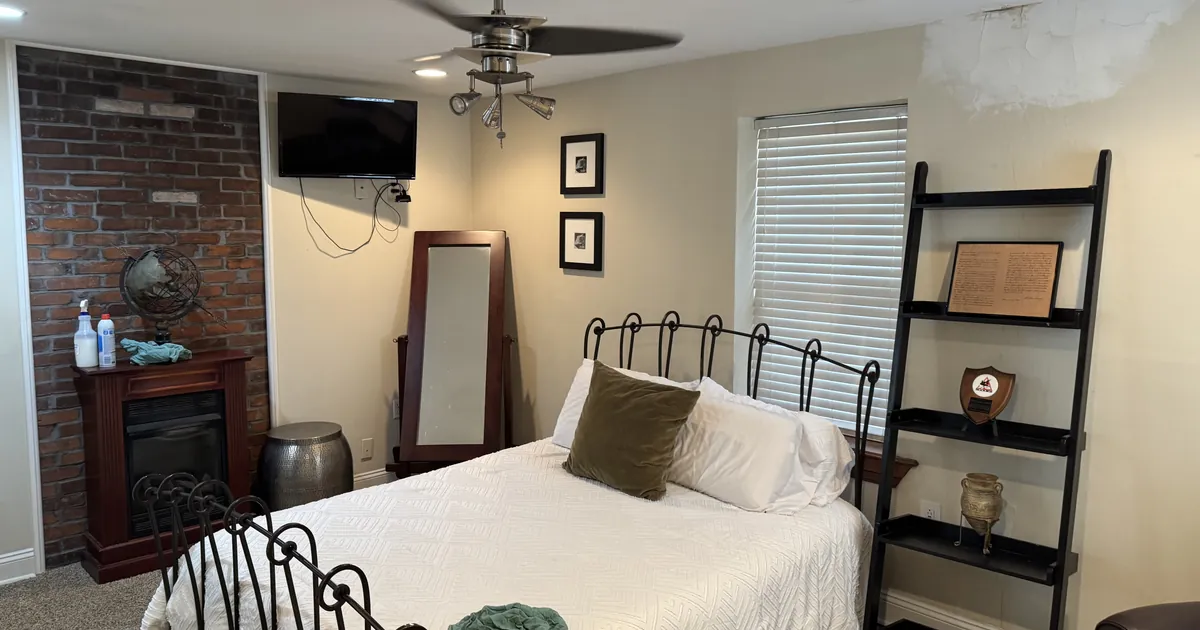
To clean a fireplace before winter, remove ash from the firebox, scrub the interior walls, clean the grate and glass doors, inspect the damper, and check for creosote buildup — ideally in October before St. Louis temperatures drop below freezing.
| Spec | Detail |
|---|---|
| Time required | 2–4 hours for a standard wood-burning firebox |
| Ash cool-down | Minimum 72 hours before removal |
| Best season to start | September–October in St. Louis |
Why Fireplace Prep Matters Before St. Louis Winters
St. Louis winters arrive fast. From the historic brick homes of Kirkwood and Webster Groves to the newer builds in Chesterfield and Wildwood, fireplaces get heavy use from November through February — sometimes burning dozens of fires across a single season.
That usage leaves behind ash, soot, and creosote — a flammable byproduct of incomplete combustion that coats flue walls. According to the Chimney Safety Institute of America, creosote buildup is the leading cause of chimney fires in the United States. A thorough pre-season cleaning reduces that risk and keeps your home smelling fresh, not smoky.
In older St. Louis neighborhoods, cast iron fireplace inserts and original brick fireboxes are common. These materials hold heat well but also trap more residue than modern prefabricated units. They warrant closer attention during your fall cleaning routine.
What You'll Need
Before you start, gather:
- Fireplace brush and shovel set
- Metal ash bucket with a tight-fitting lid
- Stiff-bristle scrub brush (for firebox walls)
- Wire brush (for the grate)
- Ash vacuum or HEPA-rated shop vacuum
- Drop cloths or old newspapers (protect hardwood floors and area rugs)
- Spray bottle with a diluted dish-soap solution
- Old cotton rags or microfiber cloths
- Safety glasses and a dust mask (N95 recommended)
- Work gloves
Protect your flooring before anything else. St. Louis homes frequently feature hardwood floors and crown molding near fireplaces — fine ash and soot particles travel farther than expected, especially in drafty older homes with pocket doors and double-hung windows.
Step-by-Step Fireplace Cleaning Process
Step 1 — Wait for Complete Cool-Down
The single most important rule: ash must cool for a minimum of 72 hours after the last fire. Embers can smolder invisibly for days. Never transfer ash into a plastic bag or cardboard box. A metal bucket with a lid is non-negotiable.
Step 2 — Remove Ash and Debris
Using the fireplace shovel, transfer loose ash from the firebox floor into your metal bucket. Work from back to front to avoid disturbing the damper above. For finer ash, use an ash vacuum or HEPA shop vac. Leave approximately one inch of ash on the firebox floor if you burn wood — it acts as insulation for future fires and protects the floor from heat.
Step 3 — Scrub the Firebox Interior
Mix a small amount of dish soap with warm water in a spray bottle. Lightly mist the brick or steel walls of the firebox to keep dust from becoming airborne, then scrub with your stiff-bristle brush using circular motions. Work from top to bottom. Rinse with a damp cloth and allow to dry fully before lighting any fires — moisture in a warm firebox creates steam that can crack older brickwork.
Step 4 — Clean the Grate and Glass Doors
Remove the grate and scrub it outside with a wire brush. For glass fireplace doors, a paste of ash and water is a surprisingly effective cleaner — apply with a damp cloth, let sit two minutes, then wipe clean. For heavier buildup, a purpose-made glass fireplace cleaner works well. Avoid abrasive pads that scratch the glass surface.
Step 5 — Inspect the Damper and Smoke Chamber
Open the damper fully and shine a flashlight upward into the smoke shelf and lower flue. Look for leaves, bird nests, and heavy creosote deposits (a tar-like black coating). If you can see daylight through the flue and the walls look relatively clean and gray, you're likely in good shape for the season. If the walls appear shiny black or sticky, stop and call a certified chimney sweep before your first fire.
When to Call Professional Cleaners in St. Louis
Some fireplace issues fall outside a weekend DIY project. Here are three situations where professional help is the right call:
- Heavy creosote or soot buildup: Stage 2 or Stage 3 creosote — glossy, tar-like deposits — requires professional removal with rotary cleaning systems. This is a fire hazard that no amount of scrubbing resolves.
- Cracked firebox or flue tiles: Common in Ladue, Clayton, and Creve Coeur homes built in the mid-20th century, cracked tiles allow combustion gases and embers to reach structural wood. A mason or certified sweep needs to assess before the heating season.
- Whole-home deep clean before holiday hosting: When the fireplace is one part of a larger pre-season cleaning, our background-checked Certified Cleaning Specialists can handle the entire home prep — from the hearth to the kitchen — using our 275°F steam-led protocol that reaches into the spaces around your firebox surround, mantel, and the hardwood and slate tile floors nearby.
Clean Town & Country is family-owned in St. Louis, $2M insured, and satisfaction guaranteed. We serve Clayton, Kirkwood, Chesterfield, and surrounding areas.
Frequently Asked Questions
How often should I clean my fireplace in St. Louis?
Clean the firebox and glass doors before each heating season — typically September or October in St. Louis — and after every 50–60 fires burned. A full chimney inspection by a certified sweep is recommended annually.
What tools do I need to clean a fireplace myself?
You'll need a fireplace brush and shovel set, a metal ash bucket with a tight lid, a stiff-bristle scrub brush, a wire brush for grate cleaning, drop cloths, and a vacuum with a HEPA filter. Eye protection and a dust mask are essential.
Can I vacuum ash from my fireplace?
Only after the ash has cooled completely for at least 72 hours. Use a vacuum rated for ash — standard household vacuums will clog and can spread fine particulates. Transfer ash to a metal bucket, never plastic.
When should I call a professional instead of cleaning my fireplace myself?
Call a professional if you see heavy creosote buildup (a tar-like black coating), cracks in the firebox or flue tiles, unusual odors when the damper is open, or signs of animals nesting in the chimney. These conditions require a certified chimney sweep before you light any fires.
About the Author
Jason Ellis, Operations Director at Clean Town & Country, has overseen hundreds of fall home preparation cleans across St. Louis since the company was founded. “Fireplace surrounds and hearth areas are consistently the most overlooked surfaces we encounter during pre-winter deep cleans,” Jason notes. “A little prep in October means a warmer, cleaner home all season.”
Ready to Prep Your St. Louis Home for Winter?
If your fireplace is one part of a bigger pre-season to-do list, let our team handle it. Clean Town & Country's Certified Cleaning Specialists bring the same care to every corner of your home — including the spaces around your hearth that tend to collect the most dust and ash.
Clean Town & Country
Book Your Pre-Winter Deep Clean
Family-owned in St. Louis. Background-checked Certified Cleaning Specialists. $2M insured. Satisfaction guaranteed.
Insured & bonded • HEPA filtration • Satisfaction guaranteed
Related reading: Fall House Cleaning Checklist | Deep Clean vs. Standard Clean | How to Prepare for House Cleaners