Apartment Move-Out Cleaning Checklist: A St. Louis Renter's Guide
Apartment move-outs have different inspection pressure points than full-house moves. This checklist is built for renters — smaller square footage, shared ventilation, and landlord turnover standards that vary by St. Louis neighborhood.
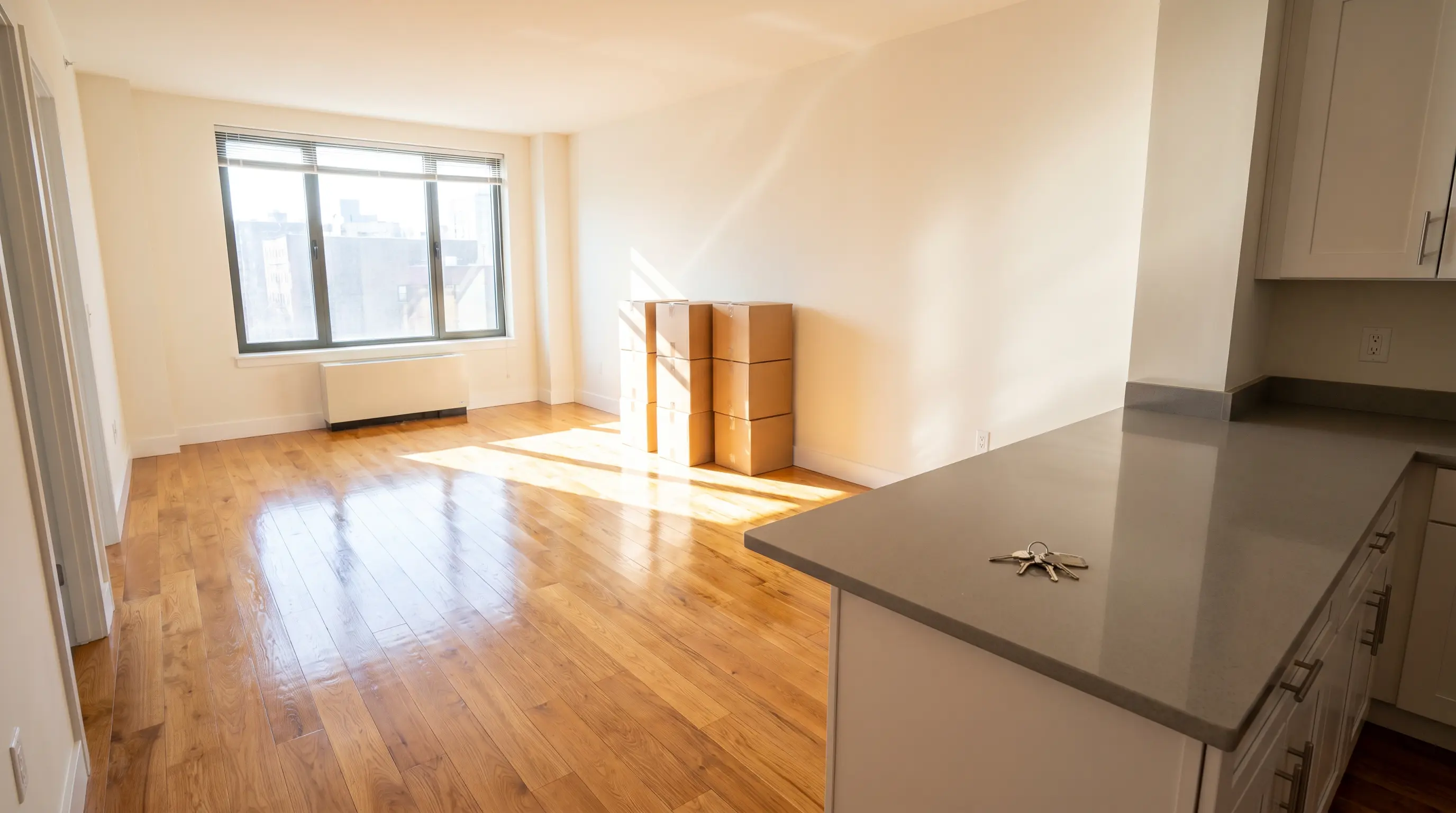
Quick Answer
An apartment move-out cleaning checklist covers kitchen appliances and cabinet interiors, bathroom grout and fixtures, wall scuffs and baseboards, and shared-ventilation grilles — the four areas St. Louis landlords inspect most closely at turnover.
| Area | Landlord Priority | Tool Required |
|---|---|---|
| Oven & Stovetop | High — most common deposit deduction | Degreaser + microfiber |
| Bathroom Grout & Caulk | High — visible mildew = deduction | Detail brush (275°F steam add-on, $100/room, available on request) |
| Vent Grilles & Exhaust Fans | Medium — apartment-specific accumulation | HEPA vacuum + damp wipe |
Why Apartment Move-Out Is Different From a Full-House Clean
Renters moving out of houses and renters moving out of apartments face very different inspection dynamics. A full-house move-out has more square footage to address, but an apartment inspection is proportionally more thorough — landlords cover the entire unit, not just a few rooms.
In our work across St. Louis apartment buildings in Clayton, Kirkwood, and Creve Coeur, the consistent pressure points we see at move-out are different from what matters in a house: shared-wall construction means baseboards along party walls accumulate particulate matter from common-area traffic. Shared ventilation systems mean apartment vent grilles see significantly more airborne debris than a single-family home's vents would.
I've personally walked through dozens of St. Louis apartment move-out inspections, and the deposit deductions that sting most — and that were entirely preventable — are almost always the oven interior, the bathroom grout lines, and the window tracks. This checklist addresses all three specifically.
For the full tenant responsibility framework, see our guide on whether tenants are responsible for cleaning when moving out. For larger home move-outs, the full St. Louis move-out cleaning checklist covers single-family homes.
Before You Start: Two Non-Negotiables
- Empty first, then clean — Never clean around furniture. Wall lines, floor edges, and baseboard corners — the areas inspectors focus on — are hidden by furnishings. Schedule cleaning for the day after your last furniture leaves, not before.
- Document the unit before cleaning — Before your cleaning crew arrives (or before you start), photograph every room at natural-light quality. Time-stamped photos showing the unit's pre-cleaning state protect you if the landlord claims damage that predates your tenancy.
Room-by-Room Apartment Move-Out Checklist
Work top-to-bottom in every room. Ceilings and light fixtures first — debris falls onto surfaces you'll clean next. Floors and baseboards last.
Kitchen — The High-Stakes Room
Kitchen condition drives more deposit deductions than any other room. In compact apartment kitchens — common in Midtown St. Louis and Webster Groves walk-ups — landlords can inspect every surface in minutes. There is nowhere to hide a greasy oven or a sticky cabinet interior.
Appliances
- Oven interior: remove racks, degrease walls and floor of oven cavity, clean broiler drawer separately
- Stovetop: remove and clean all burner grates; degrease the surface beneath
- Microwave interior: wipe ceiling, walls, and turntable — dried food splatter is a common deduction
- Refrigerator: empty completely, wipe all shelves and drawer interiors, clean the drip pan and exterior coil area
- Dishwasher interior: wipe door gasket, clean filter at the bottom (pull it out and rinse), and run an empty cycle
Cabinets, Counters & Sink
- Cabinet interiors: wipe all shelves and drawer liners — remove shelf paper if you installed it
- Cabinet exterior faces and hardware: degrease handles and knobs
- Countertops: wipe entire surface including the caulk line where counter meets wall
- Sink basin, faucet, and under-sink cabinet interior (check for moisture damage to report, not hide)
- Exhaust fan above range: remove cover, wipe grille and motor housing
Bathroom — Grout & Caulk Are Inspected Closely
Our detailing protocol is particularly effective in apartment bathrooms, and for grout lines and caulk seams where soap scum and mildew accumulate at the tile-fixture junction, our 275°F steam cleaning add-on ($100/room) penetrates deeper than standard scrubbing — available on request, not included in standard service. In older St. Louis apartment buildings in Tower Grove and Chesterfield, grout lines are often porous and have years of residue — this is where the deposit conversation happens.
- Tub/shower: scrub all tile surfaces and rinse completely (275°F steam add-on available for grout lines and caulk seams, $100/room)
- Shower door tracks or curtain rod: remove and clean track channels — mold hides here
- Toilet: clean under the rim, around the base where it meets the floor, and the exterior tank
- Sink and vanity: clean bowl and drain, wipe countertop and all vanity surfaces
- Medicine cabinet and mirror: wipe interior shelves and clean mirror glass
- Exhaust fan: HEPA vacuum grille and wipe housing — apartment exhaust fans accumulate heavily
- Floor and baseboard: mop tile floor, wipe baseboard caulk line where wall meets floor
Living Areas & Bedrooms
With furniture out, every wall scuff and nail hole is visible. Landlords inspect wall condition closely in apartment move-outs — more nail holes than a lease allows, or scuffs beyond normal wear, are common deductions. The baseboard line along shared walls deserves particular attention.
Walls & Ceilings
- Wipe wall surfaces with a damp microfiber cloth — removes scuffs and fingerprints before the landlord sees them
- Inspect nail holes: minor holes from picture nails are typically normal wear; large anchors or clusters may require spackling
- Ceiling fan blades: wipe top and bottom — accumulation is heavier on top and visible to an inspector using a flashlight
- Light fixtures: remove and wipe cover panels; replace burned-out bulbs
Windows, Floors & Shared-Wall Baseboards
- Window glass: clean both sides of all operable windows
- Window tracks and sill channels: use a detail brush or Q-tip — these accumulate debris and are inspected
- Blinds: wipe all slats or wipe roller shade surface
- Shared-wall baseboards: wipe the full length — debris from common hallway traffic migrates under the gap
- Hard floors: vacuum baseboards first, then mop entire surface
- Carpeted areas: HEPA vacuum all carpet including along the baseboard line
- Closets: sweep or vacuum floor, wipe interior shelf surfaces, check for items left behind
Apartment-Specific Items Often Missed
These areas are unique to apartment living and are overlooked in checklists designed for single-family homes. Every item on this list has appeared as a deposit deduction item in a St. Louis move-out dispute.
- HVAC/heating vent grilles: remove covers, HEPA vacuum interior duct opening, wipe grille — shared systems circulate significantly more debris
- Patio or balcony (if applicable): sweep surface, wipe railing, clean sliding door tracks
- Laundry closet or in-unit washer/dryer area: wipe behind and beneath units if accessible; clean lint trap area
- Entry closet and coat hooks: wipe surfaces, check the floor corner — debris accumulates there
- Trash chute area or utility alcove: wipe door or panel if present
- Intercom or keypad unit: wipe surface — fingerprint accumulation is visible and inspected
- Smoke detector and CO detector: wipe housing (do not remove batteries without replacing)
When to Hire a Professional for Apartment Move-Out
Professional apartment move-out cleaning is worth considering when: your lease has a documented cleaning standard; the oven or bathroom is in heavy-use condition after a long tenancy; or you are ending a lease in a high-turnover building in Clayton or Ladue where landlords have a financial incentive to find deductions.
For renters in Town and Country and Kirkwood apartment complexes, we regularly see move-out inspections where the difference between a full deposit return and a partial deduction comes down to the oven broiler and the bathroom grout. Both are areas where our 275°F steam cleaning add-on ($100/room) outperforms DIY methods.
Our St. Louis apartment cleaning service includes move-out documentation photography and a service record you can provide to your landlord at inspection. For a deeper clean before the move, our deep cleaning service in St. Louis applies our full detailing protocol to every surface, with the steam add-on available on request for wet-zone surfaces.
What Our Apartment Move-Out Service Covers
- Full detailing of all wet-zone surfaces: shower, tub, tile grout, and toilet — with 275°F steam cleaning available as a $100/room add-on
- HEPA filtration vacuuming of all surfaces including vent grilles, baseboards, and closet floors
- Oven interior degreasing including broiler drawer and removable components
- Color-coded commercial microfiber systems — no cross-contamination between kitchen and bathroom
- Service record documentation provided for your landlord move-out inspection
Clean Town & Country
Rather Not Spend Your Weekend On This?
We handle standard, deep, and move-out cleaning across the St. Louis metro. Tell us about your home and we will send you a free quote — no obligation.
Insured & bonded • HEPA filtration • Satisfaction guaranteed
Frequently Asked Questions
Common questions from St. Louis renters about apartment move-out cleaning standards and deposit return.
What does a landlord inspect most closely during apartment move-out?
Most St. Louis landlords focus on four areas at move-out inspection: oven and stovetop condition, bathroom grout and caulk lines, wall scuffs and nail holes (which affect paint), and floor cleanliness including baseboards. These are the areas most likely to result in deposit deductions if left uncleaned. Professional cleaning documentation helps if the deduction becomes disputed.
Are tenants responsible for cleaning when moving out in Missouri?
Yes. Missouri law requires tenants to return a rental unit in the same condition as when they moved in, accounting for normal wear and tear. Cleaning charges are one of the most common legitimate deductions from security deposits. What qualifies as normal wear and tear versus damage requiring cleaning reimbursement is defined by the lease and general condition standards.
How is apartment move-out cleaning different from a full-house move-out clean?
Apartments have different pressure points than single-family homes: shared ventilation means air ducts circulate building-wide, so vent grilles accumulate more particulate matter. Smaller square footage means landlords inspect proportionally more of the total space. Shared-wall construction also means debris migrates along baseboards from common-area traffic.
Should I hire a professional cleaning service for apartment move-out?
For most renters, professional move-out cleaning is worth it. The cost of professional cleaning is typically far less than a full deposit deduction, and most professional services provide documentation that supports your position if the landlord disputes the unit's condition. This is especially true for higher-deposit urban apartments in Clayton, Midtown, and the Central West End.
What cleaning tasks do renters most often miss on apartment move-out?
The most commonly missed areas are: the inside of the oven broiler drawer, refrigerator drip pan, bathroom exhaust fan grilles, window tracks and sill channels, inside of kitchen cabinet drawers, and the tops of upper cabinets. Baseboards along shared walls also accumulate more debris in apartments due to higher foot traffic in common areas.
How far in advance should I schedule apartment move-out cleaning?
Schedule your move-out cleaning for the day after your furniture is fully removed. Cleaning around furniture obscures the areas landlords inspect most closely. In St. Louis, peak move-out periods are late May through August due to summer lease cycles, so scheduling 2 to 3 weeks in advance during that window is advisable.
Maximize Your Deposit Return Potential
Our St. Louis apartment move-out cleaning service covers every inspection point on this checklist — with service documentation you can hand to your landlord at walkthrough. Serving Clayton, Kirkwood, Chesterfield, Creve Coeur, and surrounding areas.